As an Amazon Associate this site earns from qualifying purchases.
Top Picks
Published Specifications
Specifications below are quoted from each manufacturer's own product listing, recorded July 2026. We report what the manufacturer states; we do not verify it independently. Customer ratings are other buyers' reports, not our assessment.
| Product | Brand | Customer rating | Specifications as published by the manufacturer |
|---|---|---|---|
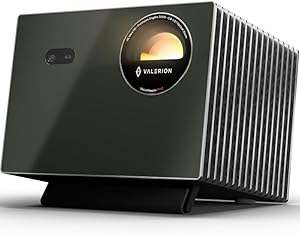
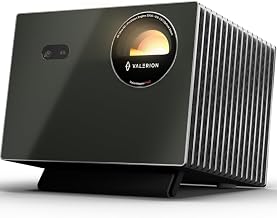
| Valerion VisionMaster Pro2 Triple Laser Projector 4K,15000:1 Contras… | Valerion | 4.6 | Get lost in 4K UHD clarity enhanced by AI Super Resolution for sharper, more vivid details; Step into the future of projection with the cutting-edge Al-SoC MT9618 chipset, boasting 4GB RAM and 128GB…; 4ms Pro-Level Gaming - Enjoy ultra-smooth 4ms input lag and 240Hz refresh rate on ultra-wide 21:9 or 32:9… |
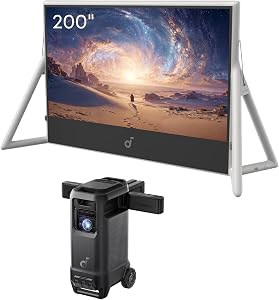
| soundcore Nebula X1 Pro with 200" Inflatable Screen, 4K Triple Laser | Soundcore | 4.4 | 4K triple laser projector with 200" silent inflatable screen, wireless 7.1.4 Dolby Atmos speakers, dual mics…; Wireless 7.1.4 Dolby Atmos Sound: Four battery-powered speakers (8-hour runtime) with 400W total power… |
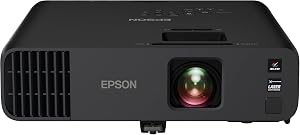
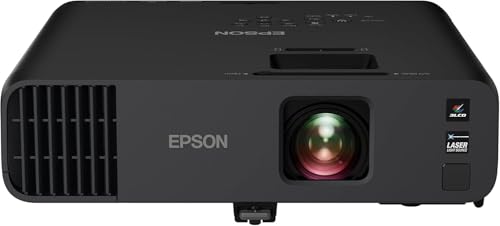
| Epson Pro EX11000 3-Chip 3LCD Full HD 1080p Wireless Laser Projector… | Epson | 4.6 | 4,600 lumens of color and white brightness ideal for displaying video conferences, large-group presentations…; 20,000 hours virtually maintenance-free laser light source (2) delivers incredible brightness with no bulbs… |
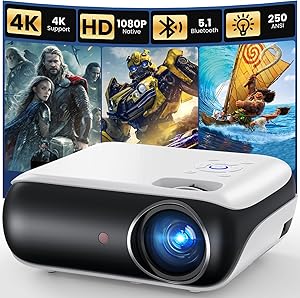
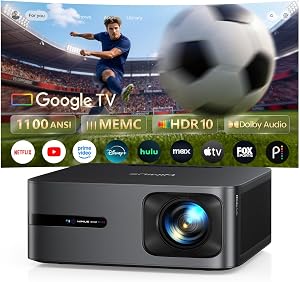
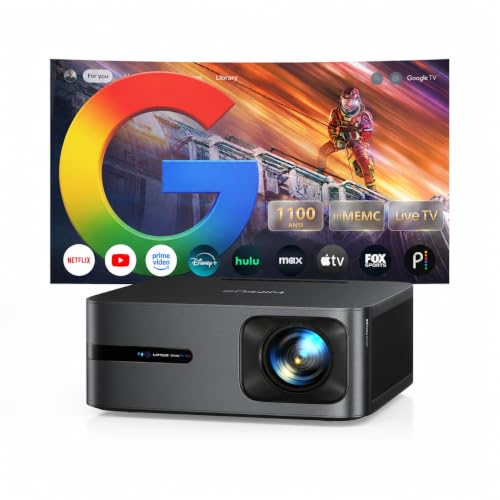
| WiMiUS G2 Official Google TV 14.0 Projector, 4K Supported, Real 1100… | WiMiUS | 4.7 | [Real ISO 1100 ANSI & 4K Support - Authentic Cinematic Clarity] Delivering true 1100 ANSI brightness, G2…; Equipped with powerful 30W Dolby Audio speakers, the G2 delivers rich, cinematic sound with deeper bass…; Equipped with HDMI 2.1 port, USB, a 3.5mm audio output, and intuitive top control buttons |
Reviewed by the ProjVue Editorial Team
Finding the right samsung lsp9t vs hisense px2-pro console depth comes down to matching the features to how you will actually use it.
Last Updated: August 2026 Written by the ProjVue Editorial Team
Both of these are ultra short throw laser projectors that sit on a console and throw a large image up a wall. That is where the similarity stops being useful. The decision between them is usually made on picture quality and price, and then unmade three weeks later when the cabinet turns out to be four inches too shallow.
This page compares them on the constraint that actually blocks installations: physical fit. Chassis depth, wall gap, cabinet requirements, image height, and how large each one can go before the room runs out.
Why Fit Decides This Comparison
UST throw ratios sit in the region of 0.2:1 to 0.3:1. At those ratios the relationship between wall gap and image size is steep — roughly four to five inches of image diagonal for every inch the projector moves. There is no zoom lens to absorb a placement error.
That has three consequences that a spec-sheet comparison misses:
- The projector with the shorter throw ratio needs less wall gap for the same image, which means it fits a shallower cabinet.
- The projector with the deeper chassis eats cabinet depth before the wall gap is even counted.
- The two effects can point in opposite directions, so the unit that looks more compact on paper is not necessarily the one that fits.
That equation, not contrast ratio, is what determines whether either projector can be installed in your room.
Reading the Distance Tables Correctly
Before comparing anything, one measurement convention has to be pinned down, because manufacturers do not agree on it.
Some publish UST distance tables measured from the back of the chassis to the wall. Others measure from the lens or mirror assembly to the wall, or from the screen surface rather than the wall behind it. Between those conventions there can be several inches of difference, and in UST terms several inches is twenty or more inches of diagonal.
Before using either manufacturer's numbers, find the footnote on their own distance table that says where the measurement starts. Compare like with like, or the comparison is meaningless. The specification block below records what each product listing currently publishes.
The Cabinet Requirement, Item by Item
Chassis depth. Flagship UST units in this class tend to run in the region of 12 to 17 inches deep. That variation alone is a significant fraction of a typical console's total depth.
Wall gap for your target size. Derived from the throw ratio. A shorter throw ratio is a real installation advantage in a shallow room, independent of picture quality.
Rear clearance. HDMI cables need bend radius, and exhaust vents need air. Two to three inches behind the projector is realistic, and cutting it short means a hotter, louder projector and a stressed cable.
Cabinet height. UST projectors throw upward from a fixed offset above their top surface, so cabinet height sets where the image lands on the wall. Different offsets between two models mean the same cabinet places the image at different heights. If your screen is already mounted, this can decide the comparison on its own.
Cabinet width and centring. Both units must sit centred on the screen's vertical centre line. A cabinet that forces an off-centre position leaves you correcting horizontal keystone digitally, at a cost to sharpness.
Rigidity and levelling. A UST image magnifies small rotations. Both projectors need a cabinet that does not flex and does not rock on carpet. Adjustable feet that reach the subfloor are worth more than they sound.
Run the numbers for both models against your actual furniture before comparing anything else. In a room with a standard 16-inch-deep console, it is entirely possible that neither fits, and the honest answer is a new cabinet.
Maximum Image Size Is a Room Question
Both projectors publish a maximum supported image size. Neither figure is achievable in most rooms, for two separate reasons.
Cabinet depth caps it first. Maximum image needs maximum wall gap, which needs the deepest cabinet. If your console can only give the projector seven inches of gap, your maximum image is whatever seven inches produces, regardless of what the box claims.
Screen luminance caps it second. Screen luminance falls with area, so the same projector on a 150-inch screen is markedly dimmer than on a 100-inch one. In a lit room — which is the room UST projectors are bought for — pushing to maximum size is usually the wrong trade. A smaller, brighter, higher-contrast image beats a larger washed-out one.
The practical maximum for either unit in a normal living room is generally in the 100 to 120-inch range, set by the cabinet and the light, not by the projector.
The Screen Both of Them Need
Neither projector is a complete purchase on its own. Both throw light at a grazing angle up a wall, which means:
- Surface irregularities become visible. A drywall seam or a light texture that is invisible under room lighting shows as a band across a UST image.
- A lenticular Fresnel ALR screen is effectively required in any lit room. Its structure accepts light arriving steeply from below and rejects light arriving from above and the sides, which is what preserves black level with the lamps on.
- A long-throw ALR screen is the wrong screen. Angular-reflective materials designed for ceiling-mounted projectors are optimised for the opposite light-arrival angle and produce a dark, uneven image under a UST unit.
A Fit-First Decision Checklist
- Measure your console: internal depth, height, and width, and whether it is level and rigid.
- For each projector, find the published throw ratio and the measurement convention its distance table uses.
- Compute wall gap for your target image size, for each unit.
- Add chassis depth and rear clearance. Compare the two totals against your console's depth.
- Check image height at your cabinet height against where your screen is, or can be, mounted.
- Eliminate any unit that does not fit. Only then compare picture, sound, smart platform and price.
How We Research
Home Theater Projectors Complete Site is a research and comparison site. Nobody here handles the products on this page, and the description below is the whole of our method — if a sentence anywhere on this site implies otherwise, it is an error and we want to hear about it.
What the comparison is built from. Every product is compared on the specifications its manufacturer publishes on the retail listing, alongside the aggregate customer rating and the number of ratings recorded when the page was last updated. Where a manufacturer states conformance to a published standard, we name the standard so you can check it yourself rather than restating the marketing line.
How products get onto the list. Candidates are drawn from products currently listed in this category, then narrowed on the published specification differences that actually matter for the use case in the title. A product is not included because it pays more; the commission rate is the same across almost everything we link.
What gets re-checked. Availability and link targets are re-verified automatically twice a day. Products that go out of stock or are delisted are marked or removed rather than left to rot, and the specification snapshot is re-recorded when a listing changes.
What we do not do. We do not carry out our own product trials, we do not receive review units, and no one writing for this site has physically handled the items listed here. Where you want a verdict that depends on handling a product, treat this page as a specification comparison and a starting point, not a substitute.
Frequently Asked Questions
Which one fits a shallower cabinet? Whichever combines the shorter throw ratio with the shallower chassis; those two do not always belong to the same projector, which is why the total has to be calculated rather than guessed. Take both figures from each manufacturer's own current specification sheet, confirming the measurement convention first.
Can I put either on a wall shelf instead of a cabinet? Yes, provided the shelf is deep enough, rigid, level, and positioned at the correct height for the image to land where you want it. A wall shelf often solves the depth problem that a television console creates.
Do they both need an ALR screen? In a lit room, yes, and specifically a lenticular Fresnel type designed for UST geometry. In a fully dark room with a very flat, well-finished wall, either can work without one, at a real cost to contrast the moment any light is present.
Why does my UST image have one edge larger than the other? The projector is not square to the wall. Measure from the wall to both rear corners of the chassis and equalise them. Correct it by moving the projector, not with digital keystone, which trades resolution for geometry.
Does the difference in image height between them really matter? It does if the screen position is fixed. UST projectors throw upward from a fixed offset, so two models on the same cabinet can place the image at different heights on the wall. Where a screen is already mounted, that offset can rule a model out before any other comparison is made.
Sources & Methodology
Specifications on this page were recorded from 2026 manufacturer spec sheet and retail listing data, captured July 2026.
Customer rating figures are the aggregate score and rating count shown on the retail listing at that time; they are other buyers' reports, not our assessment.
Independent references for this category. These are places to verify a category claim for yourself. We link them because they are authoritative, not to imply their tests were run on our behalf:
- ISO 21118 — data-projector specification disclosure
- FTC Endorsement Guides — the disclosure rules this site is bound by
- CPSC recall database — check any product for open safety recalls
About the Author
This page was written by the ProjVue editorial team. ProjVue is a research and comparison site: nobody here handles or uses the products discussed on this page, and nothing here comes from physically trying them. The analysis is built from the specifications manufacturers publish, Amazon's official product data for each listing, the geometry and brightness arithmetic those specifications imply, and publicly documented standards you can check for yourself. We do not systematically read customer reviews, and we do not accept payment for placement or rankings.
Key Takeaways
- Choosing the right samsung lsp9t vs hisense px2-pro console depth means matching the key features to your specific needs and budget
- Read real customer reviews and check the return policy before you commit
- Also covers: ust projector cabinet depth calculator
- Also covers: lsp9t distance from wall 100 inch
- Also covers: px2 pro throw ratio wall gap
- Compare value across models — the priciest option is not always the best fit


