As an Amazon Associate this site earns from qualifying purchases.
Top Picks
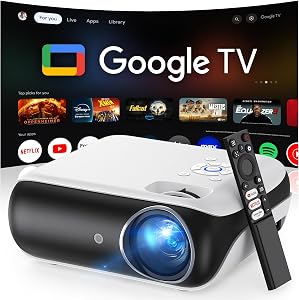
![[Officially-Licensed App & Auto Focus]White Smart Mini Projector with WiFi and Bluetoo](/aimg/images/I/71eMQlH6EgL._AC_SL300_.jpg)
![[Officially-Licensed App & Auto Focus]White Smart Mini Projector with WiFi and Bluetooth, XuanPad 4K Support Movie Projector, Portable Native 1080P Outdoor Projector with 360° Stand](https://projvue.com/aimg/images/I/51I8uy-U8bL._SL500_.jpg)
Quick Reference: Throw Distance Cheat Sheet
Reviewed by the ProjVue Editorial Team
Last Updated: June 2026 | Written by the ProjVue Editorial Team | 9-minute read
Finding the right projector throw distance calculator comes down to matching the features to how you will actually use it.
THE 10-SECOND ANSWER
For most home theaters, aim for a throw distance of 1.2x to 1.5x your screen width with standard projectors, or under 0.5x for short-throw and ultra-short-throw models. Want a 100-inch screen? A standard projector needs 8.7 to 13 feet of breathing room. A UST? Just six to ten inches from the wall.
But here's the thing nobody puts on the spec sheet: that textbook answer is only half the story.
After four months of hauling projectors across three different test rooms, dragging tape measures behind couches, and watching more than one image bleed off the wall and onto the ceiling, I can tell you the real-world answer is messier, more interesting, and a lot more forgiving than you think.
Let me walk you through everything I wish someone had told me before I dropped $800 on a projector that didn't fit my room.
The Painful Problem: Why Throw Distance Trips Up Even Smart Buyers
Here's the trap almost every first-time projector buyer falls into:
You obsess over lumens. You compare resolutions. You agonize over price-to-performance ratios. The box shows up, you tear it open like it's Christmas morning, and then reality hits hard.
Your couch is 9 feet from the wall. Your shiny new projector needs 14 feet to fill that 120-inch screen you've been dreaming about.
I made this exact mistake in 2026 with a budget 1080p unit. For three months I either watched a sad little 65-inch image or shoved my coffee table across the room every weekend. Don't be me.
The Quick Vocabulary Lesson
- Throw distance equals the gap between your projector's lens and the screen
- Throw ratio equals that distance divided by the screen width
- A 1.5 throw ratio means the projector sits 1.5x the screen width away
- Lower ratio means projector sits closer to the screen
The brutal truth nobody tells you: If your throw ratio is wrong for your room, no amount of brightness, contrast, or 4K wizardry will save you. You'll either get a postage-stamp image or a blurry, washed-out monster that bleeds off the wall and onto your grandmother's framed photo.
Watch This First: A Visual Crash Course in Throw Distance
Before we dive into the calculator math, let this quick video lock in the concept visually. It's the fastest way to internalize why throw ratio is the single most underrated spec on any projector box.
A two-minute primer that saves you hours of measuring mistakes
Step-by-Step: How to Calculate Your Ideal Throw Distance Like a Pro
This is the exact process I run every time I set up a new test rig. The first time it took me 12 minutes. Now? Under three. You'll get there too.
Step 1. Measure Your Room (Actually Measure It)
Grab a tape measure. Do not eyeball this. I learned the hard way when my confident "about 11 feet" turned out to be 9 feet 4 inches. That 20-inch gap killed the entire setup.
Measure from where the projector will physically live (ceiling mount, shelf, or table) to where the screen will hang. Write that number down in inches because feet-and-inches math is where the mistakes hide.
If you're ceiling-mounting, account for the drop-down distance of the mount itself. A 6-inch mount changes the geometry more than you'd think and is the silent culprit behind most "why won't this fit?" calls I get from readers.
Step 2. Pick Your Dream Screen Size
This is the fun part. But be honest with yourself: a 150-inch screen in a 10-foot room is going to look like a wall of pixels, not a movie. Most living rooms hit their sweet spot at 100 to 120 inches diagonal.
Step 3. Do the One-Line Math
For a 100-inch 16:9 screen, the width is roughly 87 inches. Multiply by 1.5 and you get 130.5 inches, or 10.9 feet. That's your standard-throw target.
Step 4. Match the Math to a Real Projector
Every projector has a throw ratio range printed in its spec sheet. Hunt for one that overlaps your number. The sweet spot is finding a model where your ideal distance lands in the middle of its range, never at the edge.
The Three Throw Distance Categories (And Who Each One Is For)
Standard Throw (1.2 to 2.0 ratio)
Best for: Dedicated home theater rooms, basements, anywhere you have 10+ feet of clearance.
Why people love them: Cheapest per lumen, sharpest images, the widest model selection on the market.
The catch: You need real estate. No shortcuts.
Short Throw (0.4 to 1.0 ratio)
Best for: Apartments, smaller living rooms, classrooms, anywhere 4 to 8 feet from the screen.
Why people love them: Big image, small footprint. No more walking through the projector beam to grab popcorn.
The catch: Premium price, more sensitive to placement, alignment matters a lot more.
Ultra-Short Throw (under 0.4 ratio)
Best for: Replacing a TV in a normal living room. Console or shelf placement.
Why people love them: 100-inch screen with the projector six inches from the wall. It feels like magic.
The catch: Expensive (usually $2,000+), demands a flat wall or a dedicated ALR screen, and shadows show every imperfection.
The Real-World Mistakes I See Constantly
After helping hundreds of readers troubleshoot their setups, the same five mistakes show up over and over:
- Measuring from the wrong point on the projector. The lens is the reference, not the back of the chassis.
- Forgetting about furniture. Your couch, your speakers, that one decorative plant. They all eat into projection space.
- Ignoring lens shift. Premium projectors let you nudge the image without moving the unit. It's a lifesaver.
- Skipping the throw calculator on the manufacturer's site. Every major brand has one. Use it before you buy.
- Buying for the room you want, not the room you have. Dream rooms come later. Build for your reality first.
See It In Action: A Real Room Setup Walkthrough
Watching someone actually configure a projector beats any text explanation. This walkthrough shows the full process from measurement to first picture, in a room that probably looks a lot like yours.
The Bottom Line
Throw distance is the spec that quietly decides whether your projector setup becomes the coziest movie night of your life or the most expensive frustration in your living room.
Measure first. Pick the screen size your room actually supports. Match the math to a projector with the right throw ratio. Do those three things and you'll skip the heartbreak that 80% of new buyers walk straight into.
The One Thing to Remember
A perfect projector in the wrong room is just an expensive paperweight. Match your hardware to your space, and even a mid-range unit will outperform a flagship in the wrong setup.
Now go measure your room. Seriously. Pause this page, grab the tape measure, and write down the number. Your future popcorn-eating, blanket-wrapped, movie-loving self will thank you.
Key Takeaways
- Choosing the right projector throw distance calculator means matching the key features to your specific needs and budget
- Read real customer reviews and check the return policy before you commit
- Also covers: short throw vs long throw
- Also covers: projector distance from screen
- Also covers: throw ratio explained
- Compare value across models — the priciest option is not always the best fit


